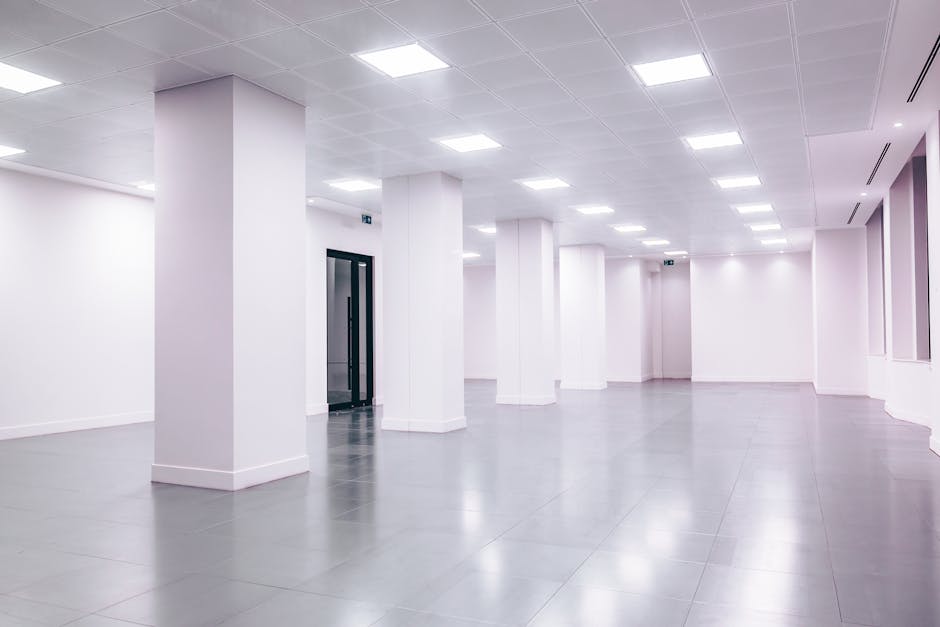
Commercial office cleaning for Brent businesses near Neasden
If you run a business in Brent and your office is close to Neasden, you already know how quickly a workspace can go from tidy to tired. One busy week, a few wet shoes, a takeaway lunch or two, and suddenly the reception feels dull, the bins are full, and the meeting room has that not-quite-fresh smell. Commercial office cleaning for Brent businesses near Neasden is not just about making things look nice. It supports staff wellbeing, gives visitors a better first impression, and helps your workplace stay organised without the usual last-minute scramble.
This guide breaks down what office cleaning usually includes, how it works in practice, when it makes sense for different business types, and what to check before you book. It also covers sensible UK best practice, common mistakes, and a few practical things many people only learn after a cleaner has already been in the building. Let's face it, that first week of a cleaning plan often tells you more than the sales brochure ever did.
Table of Contents
- Why it matters
- How it works
- Key benefits and practical advantages
- Who it is for and when it makes sense
- Step-by-step guidance
- Expert tips for better results
- Common mistakes to avoid
- Tools, resources and recommendations
- Law, compliance, standards and best practice
- Options, methods and comparison table
- Case study or real-world example
- Practical checklist
- Conclusion
- Frequently asked questions
Why Commercial office cleaning for Brent businesses near Neasden Matters
A workplace looks different when it is properly cleaned. Dust stops gathering on screens and skirting boards, spill marks disappear before they become permanent, and shared areas feel calmer. That matters in Neasden and the wider Brent area because many offices here serve clients, suppliers, contractors, or hybrid teams who may only be in the building a few days a week. If the office feels uncared for, people notice. Quietly, but they do.
There is also the simple operational side. A cleaner office can reduce the build-up of grime on flooring, help surfaces last longer, and keep communal areas more manageable. For businesses with a small team, cleaning often gets pushed aside until something becomes annoying enough to address. By then, you are already dealing with stained carpets, fingerprints on glass, or a kitchen that has become a bit of a small disaster zone.
Near Neasden, many businesses share practical concerns: busy footfall, transport dust, wet weather coming in from outside, and limited time between shifts or appointments. A regular cleaning routine gives structure to those small problems before they become expensive ones. It is not glamorous, granted. But it works.
Expert summary: the best office cleaning plans are not the most complicated ones. They are the ones matched to how your team actually uses the space, so cleaning happens where the mess really builds up: entrances, kitchens, washrooms, desks, touchpoints, and floors.
How Commercial office cleaning for Brent businesses near Neasden Works
Most office cleaning arrangements begin with a quick assessment of the building and how it is used. A good provider will look at the layout, the number of staff, the type of flooring, whether there are carpets or hard floors, and what needs doing daily versus weekly. That is important, because a compact consultancy office has very different cleaning needs from a larger shared workspace or back-office unit.
Typically, the process is straightforward:
- Initial discussion - you explain the site, your working hours, problem areas, and preferred frequency.
- Scope setting - the cleaning tasks are defined clearly, so nobody is guessing what "general clean" means.
- Scheduling - work is timed around opening hours, staff presence, security arrangements, and access needs.
- Cleaning delivery - the team follows a plan, usually starting with high-touch and high-traffic areas.
- Review and adjustment - after the first visits, the routine can be refined. Honestly, this part matters more than people think.
A common misconception is that office cleaning is only about visible surfaces. It is not. A proper service may include waste removal, washroom cleaning, kitchen sanitising, dusting, vacuuming, mopping, glass spot-cleaning, and periodic deeper tasks. Depending on the building, it can also be paired with commercial carpet cleaning or hard floor cleaning for areas that need more than routine maintenance.
Some businesses also combine office cleaning with more targeted services when needed. For example, after refurbishment, a team may arrange after builders cleaning. If the premises include shared areas, communal area cleaning can help keep entrances, lobbies, and stairwells presentable. It all depends on what the building actually demands, not what a generic package assumes.
Key Benefits and Practical Advantages
The obvious benefit is a cleaner office. The less obvious benefits are the ones businesses tend to appreciate most after a few weeks.
- Better first impressions - clients and visitors tend to form opinions quickly, sometimes in the first thirty seconds.
- More comfortable working conditions - a well-kept office is simply easier to work in.
- Longer life for fixtures and finishes - regular care helps protect carpets, flooring, upholstery, and glass.
- Less admin stress - cleaning stops being a rushed internal task and becomes a managed service.
- Cleaner shared spaces - kitchens, toilets, and reception areas stay more hygienic and less awkward for everyone.
- Better support for staff morale - people notice when the workplace is looked after. They really do.
There is also a practical business case. Offices that receive steady maintenance are usually easier to inspect, easier to prepare for visitors, and easier to reset after busy periods. If your team works late some evenings and early the next morning, it helps to know the basics are already done. No one wants to start Monday by wiping dried coffee from the same counter twice.
For businesses in Brent near Neasden, another advantage is flexibility. You can often shape the cleaning around opening hours, shared access, and the size of your premises. That means fewer interruptions and less awkwardness around staff working while someone hoovers at the wrong moment.
Who This Is For and When It Makes Sense
This kind of service is a good fit for a wide range of workplaces: small professional offices, local service businesses, agency spaces, clinics, studios, co-working setups, admin hubs, and team bases where visitors come and go. It is especially sensible if your office has any combination of carpets, glass partitions, shared kitchens, or busy entrance areas.
It also makes sense when cleaning is becoming reactive instead of routine. A few signs usually point to that:
- staff are doing their own cleaning and resenting it a bit
- the kitchen is always "nearly tidy" but never properly clean
- dust, crumbs, or bin issues keep reappearing
- visitors use the same entrance or meeting areas every day
- flooring looks flat or dull even after a quick tidy-up
- your team is growing and the old cleaning approach no longer fits
It may also suit businesses that have just moved into new space. In those cases, a one-off reset can help before a regular plan starts. If the unit has recently been renovated or handed over after works, a deeper clean may be the better first move, followed by maintenance cleaning afterwards.
To be fair, some offices do not need a large-scale service every day. A smaller team may be perfectly fine with a lighter schedule, as long as the tasks are chosen properly. The key is fit, not volume.
Step-by-Step Guidance
If you are setting this up for the first time, keep it simple. Overcomplicating the process is one of the fastest ways to delay everything.
- Walk the space - note the rooms that get the most use, where dirt gathers, and which areas are staff-only or visitor-facing.
- Decide what matters most - reception? washrooms? kitchen? carpets? Hard floors? Be clear about priorities.
- Choose frequency realistically - daily, several times a week, weekly, or a mix. The answer should reflect actual use.
- Set access and timing - confirm alarms, keys, start times, parking, and any security instructions.
- Define standards - not just "clean the office", but what that means in practical terms.
- Review after the first few visits - if something is being missed, say so early.
That last part is worth emphasising. A cleaning arrangement improves when feedback is specific. "The kitchen needs more attention around the sink and bin area" is useful. "It still feels off" is honest, but not very actionable. Cleaners are human, after all, not mind-readers. A bit of clarity saves everybody time.
If your office includes fabric seating, carpets, or blinds, you may want to include periodic specialist tasks too. Services such as upholstery cleaning, steam carpet cleaning, or window cleaning can sit alongside routine office maintenance rather than replacing it.
Expert Tips for Better Results
Small adjustments often make the biggest difference. In our experience, the best results come from offices that treat cleaning as part of building care, not as an afterthought.
- Keep clutter under control - cleaning goes faster and deeper when desks and floors are not buried under paperwork.
- Use mats sensibly - entrances with proper mats collect far more grit before it spreads across the office.
- Separate daily and periodic tasks - emptying bins and wiping touchpoints may be daily, while deep cleaning carpets may be monthly or quarterly.
- Pay attention to kitchens and washrooms - these areas shape how the whole workplace feels.
- Choose the right products for surfaces - harsh chemicals are not automatically better, and some finishes need a gentler approach.
- Plan around seasons - winter brings wetter floors and more mud; summer can bring dust and more open windows.
A useful habit is to think in zones. Entrance zones, work zones, kitchen zones, and washroom zones all need slightly different attention. Once you see the office that way, the cleaning plan becomes more logical.
And here's a small one that saves headaches: label shared storage and cleaning supplies clearly. When equipment has no home, it disappears. Somehow always.
Common Mistakes to Avoid
It is surprisingly easy to get office cleaning wrong without meaning to. Usually the problem is not laziness; it is vagueness.
- Being too vague about the scope - "general clean" can mean very different things to different people.
- Ignoring traffic patterns - the busiest route is often the dirtiest route, and it needs more frequent attention.
- Choosing frequency by habit, not need - an office that has doubled in staff may need a different plan now.
- Skipping periodic deep cleans - routine cleaning helps, but it does not remove every build-up.
- Not checking insurance and process - if someone is working in your premises, you want confidence that the basics are in place.
- Failing to review the service - even a decent setup needs small adjustments over time.
Another common slip is expecting one service to fix every issue. For example, a cleaner can maintain carpets, but badly embedded staining may need separate treatment. The same goes for odours, upholstery marks, or neglected hard floors. Matching the task to the method matters.
Tools, Resources and Recommendations
You do not need a warehouse of equipment to manage office cleaning well, but the right tools do make the work more effective. A sensible setup usually includes colour-coded cloths, a vacuum suitable for commercial use, microfibre materials, floor-care products matched to the surface, and simple stock control for consumables like bin liners and washroom supplies.
For property teams or business owners choosing a provider, the most useful resource is often a clear written specification. That should say what gets cleaned, how often, and to what standard. It does not have to be fancy. In fact, plain English works best. If the office has particular concerns such as stains, odours, or worn traffic lanes, note those too. You can also pair maintenance with services such as stain removal or pet stain odour removal where relevant, though those are more common in mixed-use spaces than standard offices.
If you are comparing providers, it helps to ask about:
- what is included in routine visits
- whether consumables are included or separate
- how quality checks are handled
- what happens if access changes or a visit is missed
- how flexible the schedule is during busy periods
- what they recommend for periodic deep cleaning
For many Brent businesses, it is also worth checking the provider's broader standards pages. Details around health and safety policy, insurance and safety, and recycling and sustainability can tell you a lot about how seriously they take the job beyond the sales pitch.
Law, Compliance, Standards and Best Practice
Office cleaning touches a few important duty-of-care areas, even when the work itself is routine. Businesses generally need to think about safe access, safe use of products, and keeping the workplace reasonably clean and maintained. Exact obligations vary depending on the premises and the arrangements in place, so it is wise to treat this as practical compliance rather than box-ticking.
Good best practice usually includes:
- clear risk awareness - especially around wet floors, storage areas, and electrical equipment
- proper product handling - cleaners should know what is being used and how
- safe scheduling - cleaning should not create avoidable hazards during working hours
- confidentiality and access control - relevant in offices with sensitive documents or client data
- documented service terms - useful for accountability and day-to-day clarity
If you are arranging a contract, it is sensible to read the provider's terms and conditions and privacy policy carefully. For payment handling, the page on payment and security is also worth a look. None of that is glamorous, obviously, but it helps avoid awkward surprises later.
For businesses that care about ethical sourcing and staff welfare, the presence of a modern slavery statement can also be a reassuring sign that the company thinks beyond surface-level presentation. Not every office cleaning job is complicated, but the service behind it should still be well run.
Options, Methods, and Comparison Table
Most Brent businesses near Neasden will end up choosing one of three approaches: basic routine cleaning, a more structured full-service plan, or a hybrid arrangement where daily maintenance is combined with periodic specialist work.
| Approach | Best for | Strengths | Watch-outs |
|---|---|---|---|
| Basic routine cleaning | Small offices with light daily use | Simple, affordable, keeps basics under control | May not deal well with carpet wear, glass, or deep build-up |
| Structured full-service cleaning | Busy offices, visitor-facing premises, and growing teams | More consistent standards, easier management, better coverage | Needs a clear specification and regular review |
| Hybrid cleaning plan | Offices with mixed surfaces and occasional heavy-use periods | Flexible, efficient, can include deep cleans when needed | Requires good coordination so nothing gets missed |
If the building has lots of fabric seating or carpeted meeting rooms, the hybrid approach is often the most sensible. Daily cleaning keeps the place presentable, while periodic specialist work stops hidden build-up from taking over. In real life, that balance usually beats trying to do everything every day. People's schedules are busy enough already.
Case Study or Real-World Example
Picture a small professional office near Neasden with a reception area, two meeting rooms, a compact kitchen, and a mix of staff who work different shifts. At first, the team tried to handle cleaning informally. Someone wiped the kitchen when they remembered. Another person vacuumed on a Friday if they were still there. It worked, sort of. Then winter arrived, with wet shoes, more mud, and visitors coming through the entrance all day.
What changed was not dramatic. The business introduced a set routine: bins and touchpoints dealt with regularly, kitchen surfaces cleaned properly, washrooms maintained on a fixed schedule, and floors given more attention where traffic was heaviest. Later, they added a periodic deep clean for the carpets and a separate window clean for the glazed areas. The place did not suddenly become luxurious. But it stopped feeling slightly behind all the time.
That is the real value for many Brent businesses. Not perfection. Just a steady baseline that makes the office feel ready for work, ready for visitors, and a bit easier to keep that way.
Practical Checklist
Use this checklist before you confirm your office cleaning plan:
- Have you identified the highest-traffic areas?
- Do you know which tasks are daily, weekly, and periodic?
- Have you decided whether carpets or hard floors need specialist care?
- Is access arranged for cleaning times, alarms, keys, and parking?
- Have you checked what is included in the service scope?
- Do you know who to contact if something is missed?
- Have you reviewed insurance, safety, and business policies?
- Is there a sensible plan for consumables and waste?
- Will the schedule still work when staff numbers change?
- Have you allowed for a deep clean at sensible intervals?
Quick reminder: the best office cleaning setup is the one your team can actually live with. Simple, consistent, and clear.
Conclusion
Commercial office cleaning for Brent businesses near Neasden is really about keeping the working environment reliable. It protects first impressions, supports daily comfort, and stops small messes from turning into routine frustration. When the schedule fits the office properly, people notice the difference without having to think about it too much. Which, honestly, is the ideal outcome.
If you are comparing cleaning options, start with your actual use patterns rather than a generic package. Look at your entrances, kitchens, floors, washrooms, and meeting rooms. Then choose a service that can maintain those areas steadily and adjust when needed. A good office feels calm because someone planned for the chaos before it arrived.
Get a free quote today and see how much you can save.
And if you are still weighing it all up, that is fine too. A thoughtful cleaning plan is one of those small business decisions that quietly pays you back day after day.
Frequently Asked Questions
What does commercial office cleaning usually include?
It usually covers bins, dusting, vacuuming, mopping, washroom cleaning, kitchen cleaning, and touchpoint sanitising. Some offices also add carpet, window, or upholstery care when needed.
How often should an office near Neasden be cleaned?
That depends on staff numbers, visitor traffic, and the type of space. Small low-traffic offices may only need a few visits a week, while busier workplaces often need daily attention.
Is office cleaning different from commercial cleaning?
Yes. Office cleaning focuses on workspaces, reception areas, kitchens, and washrooms. Commercial cleaning is broader and may include other kinds of business premises, shared spaces, or specialist surfaces.
Can office cleaning be done outside working hours?
Usually yes, and many businesses prefer it that way. Evening or early-morning visits can reduce disruption, especially in offices with client calls, meetings, or shift patterns.
Do I need a deep clean as well as regular office cleaning?
Often, yes. Regular cleaning maintains standards, but a deep clean helps with built-up dirt, neglected corners, and heavier use areas that routine visits may not fully address.
What should I ask before hiring a cleaner for my office?
Ask what is included, how often tasks are completed, whether they carry insurance, how access works, and what happens if something is missed. Clear answers matter more than polished sales talk.
Will office cleaning help with bad smells in the kitchen or bins?
It usually helps a lot, provided the cleaning plan includes bin areas, kitchen surfaces, and regular waste removal. Persistent smells may also need a more detailed clean of the affected area.
Are carpeted offices harder to maintain?
They can be, especially in high-traffic areas. Carpet needs regular vacuuming and periodic specialist cleaning to stay presentable and avoid dull traffic lanes.
What if my office has hard floors instead of carpets?
Then the focus shifts to sweeping, mopping, and using the right floor-care method for the finish. Hard floors are often easier to keep tidy day to day, but they still need proper maintenance.
How do I know if my current cleaning routine is not working?
If staff keep raising the same issues, if visitors notice dirt first, or if you are constantly doing emergency clean-ups, the routine probably needs adjusting. That is usually the tell.
Can office cleaning be tailored to a small business?
Absolutely. Smaller offices often benefit from a lean, targeted plan rather than a broad package. The trick is focusing on the areas that actually affect daily use.
What makes a good office cleaning provider in Brent?
Look for clear communication, sensible scheduling, proper policies, and a cleaning scope that matches your premises. A provider that asks good questions early is usually a better sign than one offering vague promises.